
Before: Cold, Dull, and Lifeless Concrete
Unfinished concrete has long been known for its practicality, not its beauty. It cracks. It stains. It dulls your space. Whether in a basement, a commercial lobby, or a patio, grey, untreated concrete lacks personality.
It’s functional but forgettable. Strong but soulless. Cost-effective but colorless.
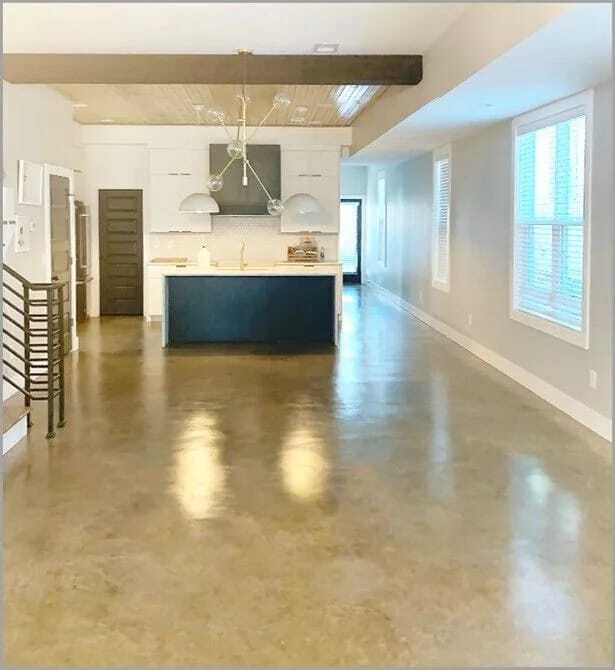
After: Rich, Reflective, and Radiant Concrete Stained Floors
Now imagine that same concrete turned into a rich surface full of dimension, with earth tones, marbled effects, and a natural look that resembles polished stone or high-end tile. This is what concrete-stained floors bring to the table.
They retain the strength of concrete but add warmth and design. With proper sealing and staining, your floor becomes more than a foundation – it becomes a feature.
Bridge: How Concrete Staining Changes Everything
Concrete staining doesn’t cover the surface – it reacts chemically or penetrates deep to alter the color from within. There are two main types:
-
Acid-stained concrete floors: A chemical reaction between acid and concrete minerals creates unique marbling and translucent effects.
-
Water-based concrete stains: Non-reactive and available in a wider color palette. They coat rather than react, but are great for creative control.
Each stain method offers permanence, texture, and style that paint or coatings simply can’t replicate.
Popular Applications for Concrete Stained Floors
Stained concrete is incredibly versatile and fits various design aesthetics:
- Residential garages and basements
- Retail and commercial entryways
- Restaurants and showrooms
- Outdoor patios and pool decks
- Industrial lofts and minimalist interiors
Stained concrete elevates homes. Stained concrete transforms businesses. Stained concrete enhances curb appeal. Stained concrete redefines what was once plain.
Acid-Stained Concrete Floors: A Closer Look
Acid stains are favored for their natural tones and dramatic veining. The result is irregular, unique, and organic-looking. Expect earthy browns, deep greens, burnt oranges, and subtle blues.
They work by reacting with the lime in the concrete, permanently etching color into the slab. Once sealed, these surfaces become:
- UV-resistant
- Low maintenance
- Slip-resistant (with additives)
- Durable enough for heavy foot traffic and vehicles
And unlike overlays or tiles, acid-stained concrete floors won’t peel or chip.
Stained Concrete Colors: More Variety Than You Think
While acid stains lean toward natural tones, modern stained concrete colors span a wide range:
- Charcoal and gunmetal for industrial interiors
- Amber and walnut for warm, rustic charm
- Sand and ivory for beachy or minimalist spaces
- Custom tints blended for logos, patterns, or branding
You can even achieve faux finishes, such as leather, stone, or wood. Combining color with scoring or stenciling opens the door to endless design possibilities.
Grey Stained Concrete Floors: Understated Elegance
For a sleek, modern aesthetic, grey stained concrete floors are a top choice. Grey complements minimalist design, industrial architecture, and Scandinavian-inspired interiors.
The benefits of grey stain include:
- Neutral foundation that pairs with any decor
- Subtle variation that adds visual interest
- Low visibility of dirt and wear
Grey doesn’t mean boring – it means bold in its restraint.
How to Clean Stained Concrete: Simple Yet Crucial
One of the biggest advantages of concrete-stained floors is ease of maintenance. Here’s a basic guide on how to clean stained concrete and keep it looking its best:
- Dust mop daily to remove grit and particles.
- Use a pH-neutral cleaner for deeper cleaning – avoid acidic products that may erode the sealer.
- Mop regularly with warm water and a microfiber pad.
- Reseal every 2-3 years, especially in high-traffic areas, to protect shine and durability.
If you follow these steps, your stained floors can last decades without fading or damage.
Common Design Enhancements for Stained Concrete
To take stained concrete to the next level, many designers and homeowners integrate additional elements:
- Saw cuts and score lines to create tiled patterns
- Stencil designs for custom logos or graphics
- Two-tone stain applications for layered effects
- Gloss or matte sealers to fine-tune the finish
These enhancements not only improve aesthetics but can also help guide foot traffic in commercial spaces or differentiate zones in open-concept homes.
How Long Does It Take to Install Concrete Stained Floors?
Project timelines vary based on the size and complexity, but here’s a general guideline:
-
1 day: Surface prep (cleaning, grinding, patching)
-
1–2 days: Stain application (with drying times in between)
-
1 day: Sealing and curing
Expect the entire process to take between 3 and 5 days, with light foot traffic allowed after 24 hours of sealing and full curing in 72 hours.
Cost Breakdown and Budgeting Tips
The price of concrete staining depends on various factors, including stain type, square footage, surface condition, and desired finishes. Here’s what to consider:
| Type of Staining Service | Estimated Cost (Per Sq Ft) | Description |
| Basic Single-Color Acid Stain | $2 – $4 | Entry-level finish with natural variation and earthy tones. Great for simple designs. |
| Multi-Color or Patterned Staining | $5 – $8 | Adds dimension and complexity. Ideal for marbled or variegated aesthetics. |
| Custom Scoring & Logo Inlays | $8 – $15 | Personalized features like saw cuts, brand marks, or intricate patterns. |
Budgeting Tips:
- Stick with single-color stains to keep labor and material costs lower.
- Avoid overlays by staining the existing concrete if it’s in good condition.
- Water-based stains offer better color control and often cost less for custom hues.
Where Concrete Stained Floors Shine the Brightest
There are certain environments where stained concrete truly excels. In high-humidity regions, the non-porous seal prevents moisture absorption. In sunlit areas, UV-resistant stains help preserve the floor’s color and integrity. In restaurants and cafés, easy maintenance and design flexibility offer a combination that’s both functional and aesthetic.
For retail environments, stained concrete provides a modern look that stands up to constant foot traffic and can reflect brand identity through custom patterns. In public buildings like schools or museums, it’s a long-lasting, low-maintenance flooring solution that doesn’t compromise on style.
The Sustainability Argument
Beyond aesthetics and performance, stained concrete is also a smart environmental choice. It allows you to leverage an existing slab instead of adding new materials like wood, vinyl, or carpet, all of which come with higher ecological footprints. Many stains and sealers are now low-VOC, making them safer for indoor air quality.
Stained concrete floors contribute to LEED certification and other green building standards by reducing waste, utilizing local materials, and reflecting natural light to reduce energy consumption.
DIY vs. Professional Staining: What to Consider
While it may be tempting to stain concrete yourself, the reality is that concrete staining is a delicate process. Factors such as concrete age, porosity, and mineral content can all affect how stains react and adhere.
DIY kits may suffice for small, low-impact areas, but for consistent color, proper sealing, and long-term performance, professional installation is strongly recommended. Mistakes in acid application or improper neutralization can result in uneven coloring or even damage to the slab.
Hiring a professional ensures:
- Thorough surface prep and crack repair
- Proper stain application for a uniform tone
- Use of commercial-grade sealers
- A finish that lasts and looks professionally done
Concrete doesn’t have to be boring. It doesn’t have to be hidden. It doesn’t have to be covered with something less durable.
Instead, turn your floor into a canvas of color and durability with professional concrete staining.
Transform Your Floors with a Durable Epoxy Finish – Call Today!
FAQs
How do you fix a stained concrete floor?
Fixing a stained concrete floor starts with identifying the issue—whether it’s discoloration, wear, or surface damage. For fading or uneven tones, lightly sanding the area and reapplying stain can help restore uniformity. If the surface is chipped or cracked, those areas should be patched with a compatible concrete repair product first. After that, re-stain the surface and apply a high-quality sealer to protect the finish and bring back its original luster.
How do you get stains out of concrete floors?
To remove stains from concrete floors, begin with a dry sweep to clear dirt and debris. For oil or grease spots, use a concrete degreaser and a stiff brush. Rust stains may respond to lemon juice or vinegar, while organic stains like mold or food can often be removed with oxygenated bleach. Avoid harsh acids unless absolutely necessary, as they can damage the floor’s sealer. After cleaning, resealing the area will help prevent future staining.
Is it expensive to stain concrete floors?
Staining concrete is generally affordable compared to other decorative flooring options. Basic acid-stain applications cost between $2 and $4 per square foot, while more complex designs or custom logos can reach $8 to $15 per square foot. The final cost depends on the size of the space, the condition of the concrete, and the level of customization. For long-lasting aesthetics and durability, stained concrete offers excellent value.
How long does concrete stain last?
Concrete stain can last decades with proper care. Acid stains chemically react with the surface, making the color permanent and fade-resistant. Water-based stains, while less reactive, still offer good longevity if properly sealed. Maintenance is key—regular cleaning and resealing every 2 to 3 years will protect the finish from wear, moisture, and UV exposure. With good upkeep, stained concrete remains vibrant and durable for 20 years or more.
Which is better: concrete stain or paint?
Concrete stain and paint serve different purposes. Stain penetrates the surface to create a natural, variegated appearance that won’t peel or flake, making it ideal for decorative and long-term use. Paint, on the other hand, coats the surface and offers more coverage but is prone to chipping and may require more frequent touch-ups. For a low-maintenance, high-end look, stain is typically the better long-term investment.